Collections

Discovering the Howard D. Beach Collection: A Journey Into History (Part 2)

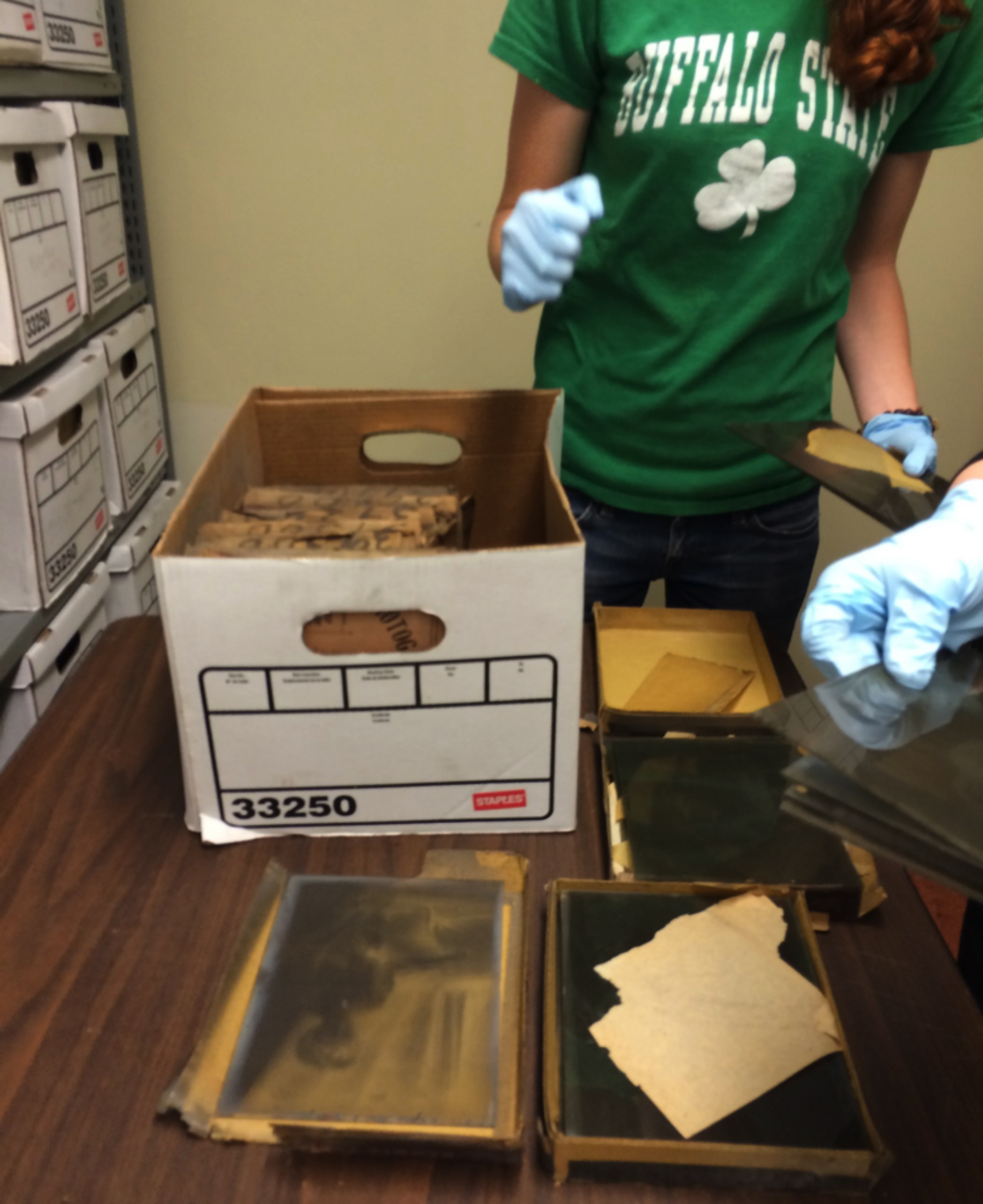
beach14Today, I went to class with more excitement and anticipation about what I might find in the next box of negatives. I chose another banker box at random marked 44400-44800. I opened the lid to find the negative boxes extremely decayed.

Figure 1: The negative boxes were all falling apart, and the negatives stuck together.

beach16Figure 2(left): Two images stuck together from moisture and mold growth.

beach17Figure 3: Before these negatives can be preserved they must go through conservation. There is tissue paper that is not acid free, therefore it contributes to the continued decay of the negative, other issues of decay include emulsion silvering, water and mold damage. Here are three negatives stuck together and clearly illuminates the tissue paper used to separate the negatives. We now know that acid-free paper is great for archival preservation however, this paper is not acid free and as long as there is tissue paper in between the negatives, there continues to be decay. In order to preserve this collection, first it must be stabilized. Since there is so much damage and no identifiable data on this entire series of negatives the entire banker box full of negatives must be marked for conservation.

After musing for a while about the massive undertaking it is going to require just to stabilize the collection, before it will be ready to be exhibited, calculated out could take years. Consider that there are 13 Graduate students currently working on a mere 15-30 images each, barely is a drop in the bucket of this collection. It is going to require not only funding but dedication and determination to keep as much of this collection intact during the stabilization and preservation stages. It begs the question, should they all be saved? In my humble opinion, I think so. Who knows the connections that can be made through researching the images, names and records!

With only a little time left in class, I moved onto another Banker box full of 8” X 10” Negative Boxes from various manufacturers. Still feeling excited but moreover, present to the massive undertaking of a project I am only beginning to understand.

– Danielle Delia
Museum Studies Student at Buffalo State

Discovering the Howard D. Beach Collection: A Journey Into History

This is the story of discovering of the Howard D. Beach Photographic Studio Collection through the course MST 623 Digital Collections. Made possible through generous donations and the joint efforts of Dr. Conides and Noelle Wiedemer at Buffalo State College and The Buffalo History Museum.

TBHM    beach1

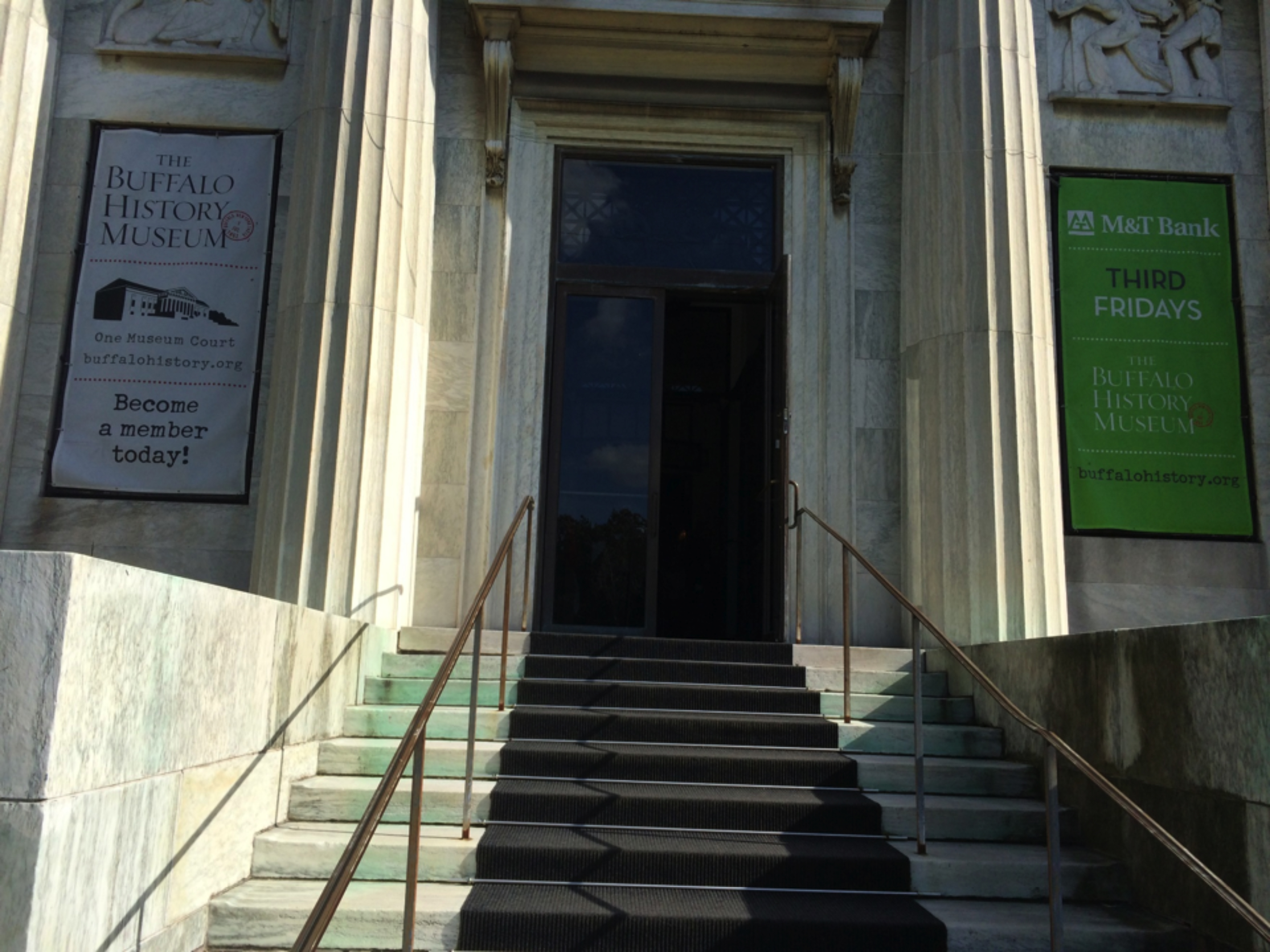
Figure 1 & 2: Welcome to The Buffalo History Museum, the home to the Howard D. Beach photography studio collection of glass negative plates.

beach2

Figure 3: Here is where the collection is currently being housed. Our class consists of 13 Graduate students, who are unearthing images that have yet to be viewed by anyone in almost 100 years. We are the first class to have our hands in this collection under the guidance of our professor Noelle Wiedemer. It is truly an exciting time!

The collection was found in the basement of the Howard D. Beach home and photographic studio when it was sold. Negatives, Paintings, Prints, Records, and Receipts were found in various states. From pristine condition to varying degrees of decay.beach3

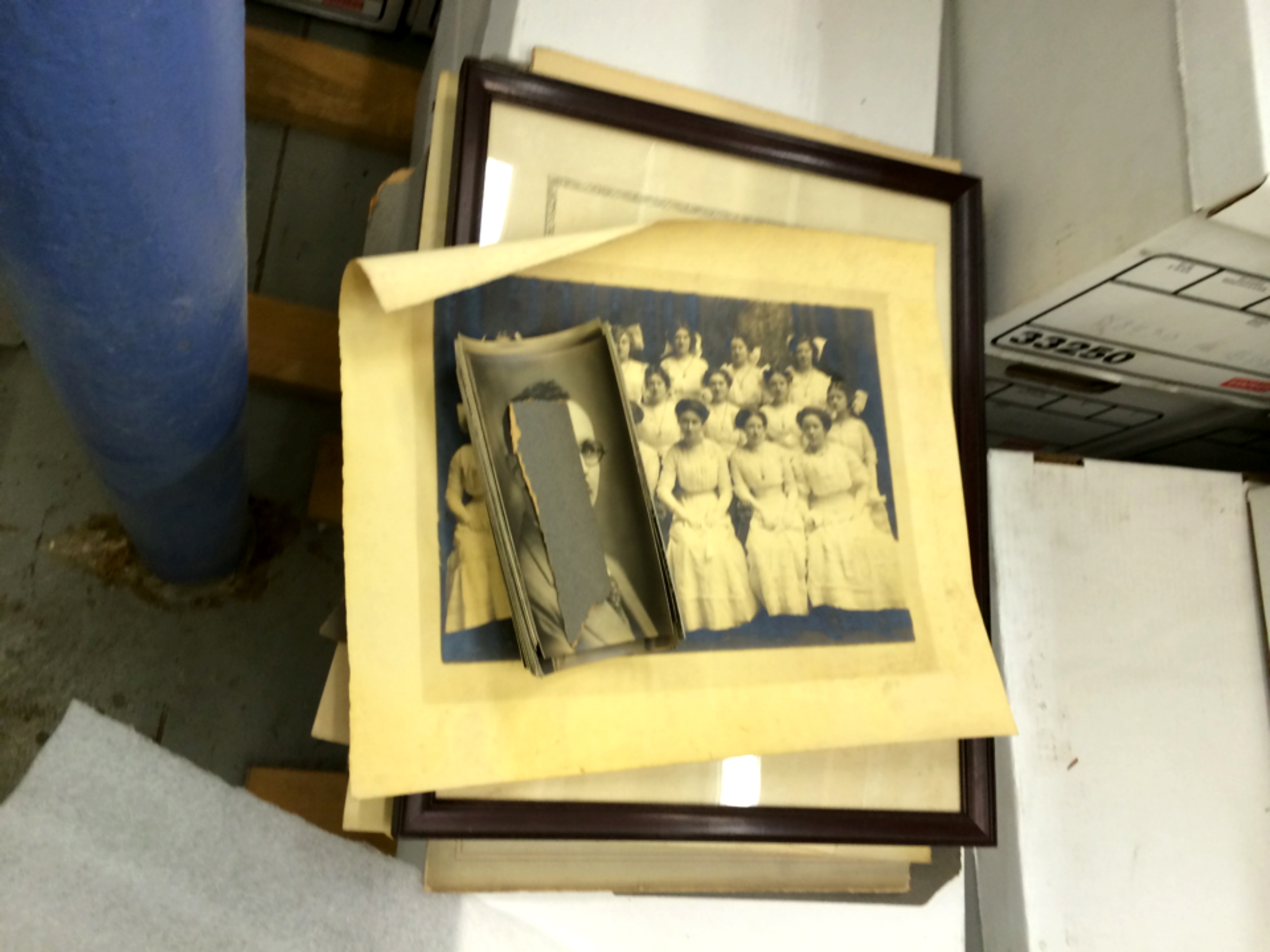
Figure 5: These boxes represent a small smattering of the “other” items found among his collection besides the glass negatives. Some of the materials have been destroyed by time and weather, while other items are in almost pristine condition.

beach4 Figure 6: A yellowed image, clearly a very old print. Just one of many treasures waiting for their history to be revealed.

Figure 7: Some images, apparently frobeach5m first glance the images seem to be charcoal or pastel on paper, approximately, 16” X 20”. At this point, there are more questions than answers.

What are these? What were they used for? Did he use them somehow as back grounds that he super imposed in his photographs? Only time and looking further will tell.

beach6Figure 8: Walking into one of the rooms that store the Beach colbeach7lection, classmates are looking through a box of 6 ½” X 8” glass negatives box and showed me this; Figure 9: Excited to see H.D.B. (Howard D. Beach) showing women utilizing books in his photographs has set my mind in motion. I can’t help but wonder what year this photograph was taken nor what else might be uncovered with each box that is opened. It is hard to imagine 60,000 glass negatives. To help give the reader perspective, consider that each box in the background of Figure 9, contains 6-8 boxes containing approximately 12-16 negatives each.

beach8Figure 10: Today I opened the bankers box marked 42400-42700. As I had randomly selected a box of the 8” X 10” negatives, I had no idea what I would find inside! My mind raced about the possibilities of the hidden treasures that lay within; Gloves applied, equipped with pen, paper, camera and a light box, I gingerly pulled the first box of negatives out and laid them on the table. The box is numbered, it is unclear at this time, what it belongs to, however, I must be patient, as there are many steps to uncover the history of these negatives

Figure 11: Looking in the Banker’s Box marked 42400-42700, rbeach9eveals five Hammer 8“ X 10” Photographic Dry Plate negative boxes in varying degrees of decay. Forgetting for a while to write any observations down at all, engrossed in the details of the glass, fascinated by the images of countless faces that have no significance to me, and yet, the negatives state with dignity that they lived. I find myself drawn to the details that accompanied each image and in Beach’s own handwriting, the name of the subject(s), delivery due date, Reference number(s) that correlated to the customer’s details stored in a meticulously kept card catalog.

beach10Figure 12: Manufacturer Hammer Dry Plate Company, Negative Box top. The image reveals the number 42400, which correlates to the numbers of the negatives found inside, or did presumably sometime in the past.

Figure 13: The above image is marked as the N Literary Society. The negative is shown with the emulsion side up, with the name of the customer, date (print was due for delivery to customer and a corresponding number that relates to the card catalog of Howard D. beach12Beach’s customers.

Figure 15: My curiosity continues to be peeked when I found this image of an older woman with her reading glasses holding a book open seemingly to a specific page. I can’t help but wonder if I will be able to read the poem when the negative is digitally inverted.

After several hours of looking through the five boxes I came away with a few images that struck a chord. I still have more images to select before I begin my research on the individuals of the images I have selected to research.

– Danielle Delia
Museum Studies student at Buffalo State

First Memorable Museum Experience

Stayed at the Otesaga Hotel and walked down the iconic main street with its many shops, unique architecture and tree lined streets to get to the Baseball Hall of Fame.

Photo courtesy of: The National Baseball Hall of Fame.

Photo courtesy of: The National Baseball Hall of Fame

I was very excited and could not stop talking as I walked with my brother and father. As we approached it was a large brick building with “National Baseball Hall of Fame” engraved in the stone on the front of the brick building.

After my Dad bought our tickets we walked through a turnstile like you were entering a stadium and we entered a large room that felt and looked like a stadium. It happened to be a replica of Ebbets Field (a very historic baseball stadium).

I was completely enthralled with the displays of memorabilia, objects and stuff. It was incredible to see a jersey of Babe Ruth, Shoeless Joe Jackson’s bat, Ty Cobb’s spikes. And then seeing objects of my heroes, Mickey Mantle’s baseball hat, Bob Gibsons’s mitt, Pete Rose’s dirty baseball pants. It was overwhelming and magnificent at the same time. My heart was racing and I remember my father commenting that my palms were sweating.

The Babe Ruth room. Photograph courtesy of the National Baseball Hall of Fame and Museum.

The Babe Ruth room. Photograph courtesy of the National Baseball Hall of Fame and Museum.

Going into the room with all the Hall of Fame plaques and seeing the hall of famers was awe-inspiring. The Bronze plaques with the head of each hall of famer and all their career statistics side by side were impressive.

Then going into the World Series Room and experiencing the film highlights of the most important and memorable plays in World Series history and hearing the announcer’s excitement had goose bumps running down my spine and my adrenalin was flowing. Also, seeing the tickets and programs from those games I was really taken by and I remember telling my Dad I want to collect programs and tickets, they were really neat.

I was eight years old when we went. I was a wide eyed kid completely enthralled by seeing and experiencing my baseball heroes. I was really taken by the objects and their historical significance.

We stopped in the store on the way out of the museum and my Dad bought me a statue of Rogers Hornsby (one of the hall of famers) that was a head and shoulders likeness of him sitting on a wooden base that was his Hall of Fame Plaque. That statue sat on my dresser for at least ten years, until I went to college.

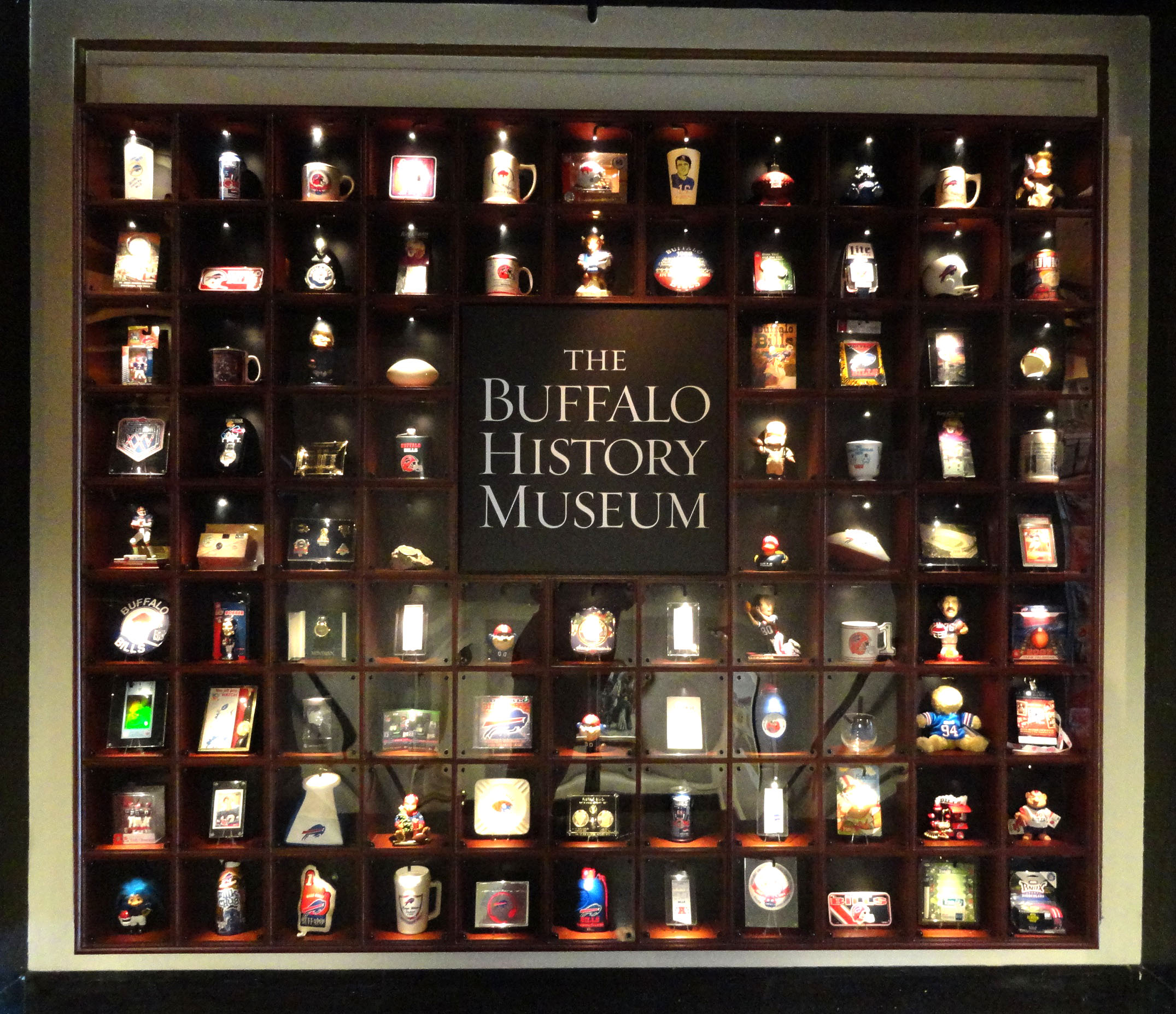
Wall of Stuff - Bills CollectionThe Hall of Fame Museum visit had a profound impact on me. I have forever been a sports fan and it energized my interest in collecting. A few months later my Dad took me to my first Buffalo Bills football game, bought me a program and a bobblehead doll and my Bills collection began.

Greg Tranter
TBHM Board Member

I Found a Newspaper in My Wall

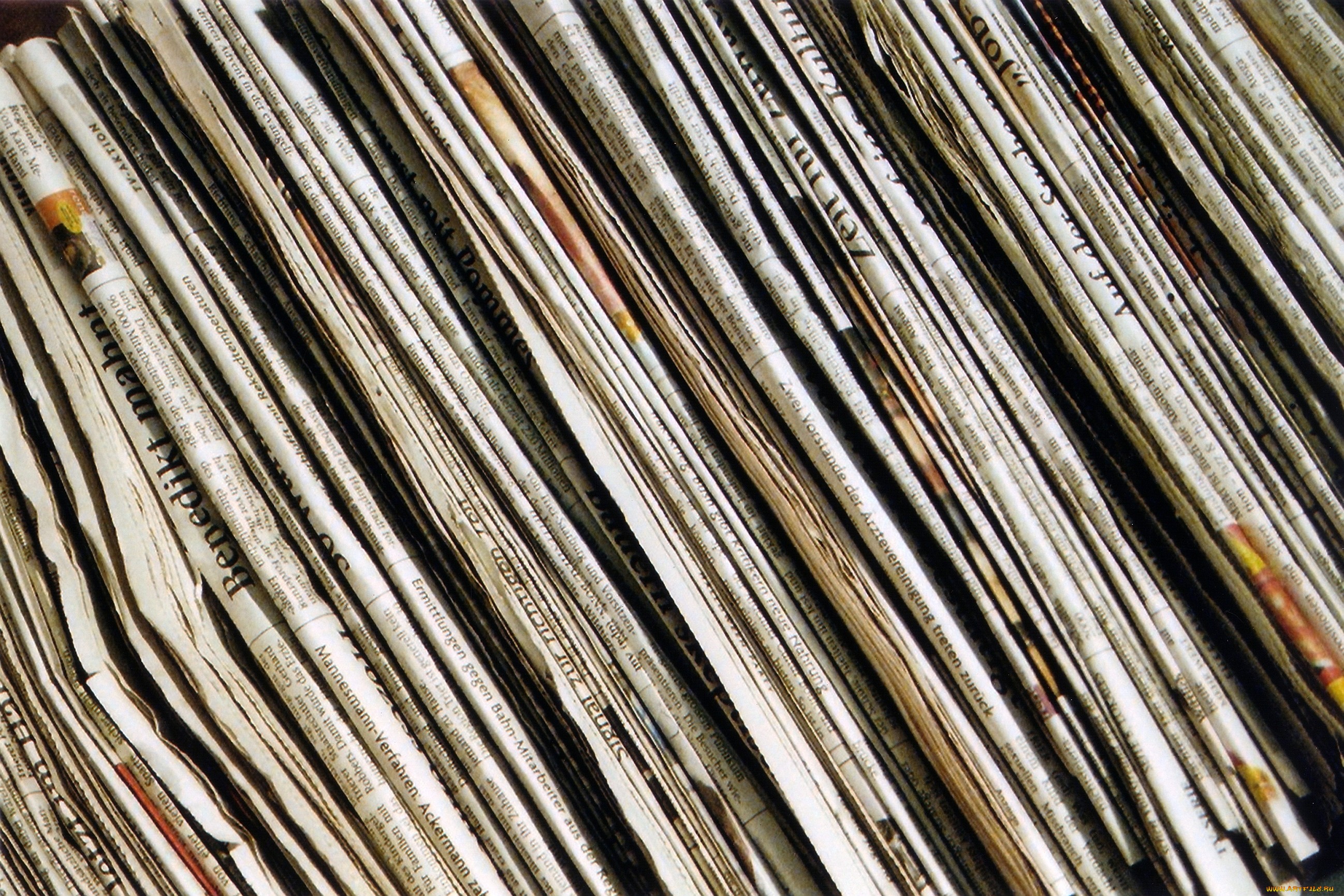
newspaper_texture2814Every few months, the Library gets a call from a homeowner who is in the middle of a remodeling project. It usually goes like this: “I was tearing out my kitchen/bathroom/den and I found a page/section of Courier-Express/Buffalo Evening News from [date] in the wall/floor/ceiling. Does it have any value? Would you like to have it?”

The newspaper-in-the-wall discovery is surprisingly common. Perhaps it fell in through an opening the attic, a possibility in balloon-framed houses. Perhaps someone working on that wall left it there on purpose. Sometimes I wonder if there was a folk practice among tradesmen to leave a dated artifact behind to show when they had been there. But this is sheer speculation.

From the dates supplied by our callers, it seems that the newspaper-in-the-wall was most prevalent between the World Wars. A simple Google search on found a newspaper in the wall turned up stories from around the country of papers dated from the 1920s to the 1940s found during home remodeling projects.

So, let’s answer the top two questions from homeowners:

Does it have any value?
Probably only sentimental. IRS regulations prohibit museum employees from appraising (determining the market value) of private property. We suggest searching eBay to get a rough idea of values. For example, President Kennedy assassination newspapers in mint condition are listed on eBay from $5 to $100. In the end, an object is worth only what someone is willing to pay for it. Which leads to the second question:

newspaper_texture2821Would you like to have it?
Thanks, but no. Newspapers stored in walls are rarely in good condition. They are likely to be incomplete, torn, brittle, discolored, moldy, mildewed, possibly even infested with insects. We cannot risk exposing museum collections or visitors to these hazards. You have our blessing to display, sell, or discard your newspaper-in-the-wall as you see fit.

Don’t get me wrong: libraries have been collecting newspapers pretty much since the invention of newspapers. We pro-actively purchase them on microfilm. It is stable, compact, sturdy, tamper-proof, and resistant to mold, mildew, and insects. No one can deface a page or tear a picture out of film.

Here at the Buffalo History Museum, we have over 200 years of Buffalo newspapers on about 6,500 rolls of microfilm. Our microfilm reader-printer machines make copies from the film for $.25/each. Plus, like most libraries, we lend our newspaper films via interlibrary loan to out-of-town researchers. Readers who wish to borrow film need to make arrangements with your local library, who will handle the request on your behalf. There may be nominal fees.

Have you found a newspaper in your wall? If so, please send us pictures and stories to add to this page! And if there are homeowners or tradespeople out there who ever stuffed a newspaper in the wall during a remodeling or construction project, please tell us about it.

Cynthia Van Ness
DIRECTOR OF LIBRARY & ARCHIVES

My Collecting Passion

Part of TBHM Bill's Collection

My first pack of Football Cards

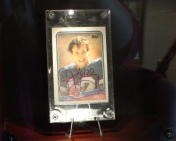
My passion for collecting began as a young boy when I bought my first pack of football cards in 1965. When I opened the pack to see a Buffalo Bills player on the 2 ½” by 4 ½” card with a pink background and smelled the fresh Topps chewing gum, I immediately fell in love with the idea of collecting cards and the thrill of discovering which players would be inside each pack. This thrill was addictive to me as a young boy, and coincided with my intense interest in football I picked up from my grandfather Cy Sanders, who played college football for Knute Rockne at Notre Dame. Those interests combined with me watching the AFL Champion Buffalo Bills on television and my passion was born. This collector’s passion continued to grow each week as I received my $.25 allowance and rushed to the corner store, on the same city block as my elementary school, to buy another pack of Topps cards.

My first football game

My first football game was an overwhelming experience. To think that I was going to see all my favorite Bills players, Jack Kemp, Elbert Dubenion, Tom Sestak and Mike Stratton that I watched on television, live, in person was almost beyond my imagination.
Part of TBHM Bill's Collection

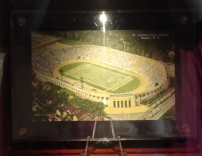
The anticipation and excitement running through me was almost uncontrollable as I rode with my Dad in his 1964 Ford Station Wagon to my first live football game. As we neared the stadium, the concrete facade of the stadium rose up from the horizon. It seemed so big, and the sight of it made my heart race with excitement.

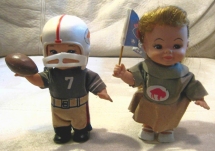
Walking among all the parked cars, seeing all the people grilling food, eating, throwing footballs, was an amazing sight to behold. As we got closer to the entrance gate, I noticed vendors with carts, selling souvenirs. Immediately, I ran to one of them to get a close up of what they were selling. After reviewing all of the items for sale, I begged my Dad to buy me a bobble head doll and a pennant. Luckily he relented, and my collecting passion grew. I thought this experience was just as good as, if not better than, getting packs of football cards.
Part of TBHM Bill's Collection

Upon entering the stadium, I saw another vendor standing next to a few boxes, yelling “Get your program, get your game program, only $.50.” Again, I begged my Dad to buy me a program, which he did. I must have leafed through that program at least a thousand times, until the pages became dog eared. Incidentally, I now own every program from every Bills game.

Following the game, a Bills victory that solidified my attachment to the team forever, I returned home and placed the bobble head doll on my bedroom dresser in the most prominent spot. I hung the pennant on the wall behind my bed, so I could see it each night before going to sleep.

I still have the original three collectibles from that first game I attended with my Dad, and since 1965, have amassed the largest Buffalo Bills football memorabilia collection.

Passion for History
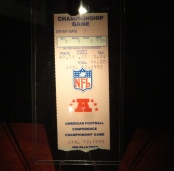
Part of TBHM Bill's Collection

As I went through school, I really enjoyed my history classes and was especially interested in American History. When I graduated from college my interest in American History aligned well with my Buffalo Bills collecting passion. The Bills are much more than a football team to Western New York. They are a critical part of the fabric of the community and the region’s history. As I began earning my own money, I started to add to my Collection with a focus on capturing the Buffalo Bills history from their founding in 1960. I thought back to all of the football cards I had collected throughout my youth that I had left at my parents’ house when I left for college. Upon returning home and much to my disappointment, I learned that my mother had thrown out most of my football cards when cleaning house while I had been away. As I would tell her years later, she and other mothers like her (with the desire to clean) helped create an entire industry. The value of baseball and football cards has increased due to their scarcity. As baby boomers try to recapture their childhood, these cards continue to rise in value.

That setback of losing my precious football cards further fueled my passion to collect the story of the Bills history through football cards, programs, publications, and collectibles of all sorts.
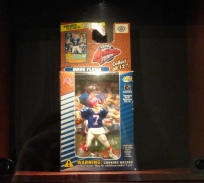
Part of TBHM Bill's Collection

The Hunt

One of the thrills of collecting is “the hunt,” the passion and focus to find another collectible to add to your growing collection. The thrill of finding the item you don’t yet have makes the hunt worthwhile. I believe it is the combined passion of the hunt and the thrill of finding an item you don’t yet have in your collection which fuel the collector’s desire.

My hunting and searching have taken me to countless garage sales, flea markets, sports card shows, memorabilia shops, antique markets, used book stores, toy stores, malls, stadium shops and other collectors homes. Always on the search and looking for that elusive Buffalo Bills collectible. 

The best feeling for me as a collector is that evoked on a crisp fall morning before dawn breaks at the Clarence flea market, flashlight in-hand, hunting for Bills collectibles. Moving among the vast array of artifacts and collectibles from dealer to dealer, rooting through box after box, I then feel the thrill in finding a new Bills item for my Collection.

Before eBay came along, I scoured through classified advertisements in the Buffalo News, Sports Collectors Digest, Beckett, among others to find another collectible. In addition, I sent hundreds of letters to fellow collectors, dealers, and teams and made dozens of telephone calls networking with other collectors and dealers asking about Bills collectibles.

To obtain autographs of players, I purchased address lists and sent letters to the players’ homes. I went to the Bills annual training camp and hung out after games outside the team locker room, trying to obtain autographs. In addition, I attended many events where players were signing – commemorative dinners, card shows, book signings, and store promotions.

I have had many wonderful, memorable experiences while searching for my collectibles.

Greg Tranter
TBHM Board Member

Summer Intern Diaries

When I came to The Buffalo History Museum for an internship with the Collections department in the Resource Center, one of my primary tasks consisted of cataloguing a collection of Fisher-Price toys from the 1960s through the 1990s.

The collection is a treasure trove of Fisher-Price at its best: Little People and lap desks, chime balls and a cash register, telescopes and a Toot-Toot steam engine. ???????????????????????????????There’s a rainbow grand piano, a saxophone, and a xylo-drum. The oldest toy is a 1963 “Huffy Puffy Steam Engine” with a cheerful face on the engine and a caboose; the newest toy is the brightly colored saxophone, which chirps peppy notes and dispenses soap bubbles from its bell when played.

Aside from getting to revel in the nostalgia that accompanied cataloguing toys from my childhood, I was also lucky enough to interview one of Fisher-Price’s retired toy engineers. Fred Robjent worked as a Product Development Engineer from 1978 to 2005. After receiving his Associate’s degree in mechanical engineering and his Bachelor’s degree in agricultural mechanization, Mr. Robjent worked at a few smaller companies before joining the Fisher-Price team. Once hired, he went through a rigorous training program. He went on to work as an engineer for the company through its periods of massive growth, its time under Quaker Oats, and finally its purchase by Mattel.

Mr. Robjent helps Walter Mayer, our Director of Collections, with the upkeep and repair of an apostolic clock in the collection. When he heard we were doing a project on Fisher-Price artifacts, he brought a number of his own personal artifacts, vintage catalogs, and limited employee edition books to the Resource Center for me to use in my research. He was happy to shed light on the design process and share his knowledge of the specific artifacts in our collection.

Fisher Price Roller SkatesMr. Robjent personally worked on the iconic Fisher-Price roller skates. He designed and patented a mechanism that made the toy skates safer for preschoolers. If you had a pair of the skates in the early ‘90s, like I did, you might remember the yellow switch on the bottom of the skate that allowed parents to choose from three settings. One stopped the wheels from moving at all, one stopped the skates from rolling backwards, and one allowed uninhibited skating. While Mr. Robjent has eight patents in his name, this was the one that seemed to make him most proud.

Fred Robjent spoke often of the company’s desire to make the toys as safe as possible. Fisher-Price set numerous safety standards in the toy industry that remain in place today. However, when asked what he loved most about working for Fisher-Price, Mr. Robjent said that it was the company’s family atmosphere he loved most.

Samantha Vandermeade
Summer Intern, Collections Department

Greetings Military History Enthusiasts!

Last fall, to commemorate the bicentennial of the War of 1812, the Museum  premiered “By Fire & Sword: War in the Niagara Theatre.”   This exhibit focuses on the Niagara Frontier’s role in one of our nation’s most  formative military engagements.

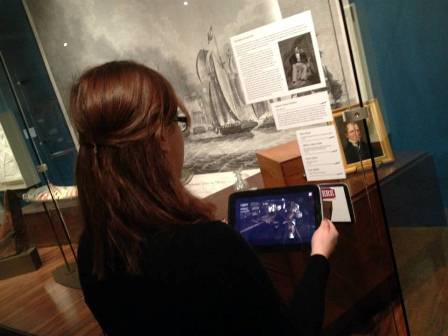
Marketing Associate, Jen LaBella, demos one of the tablets.

Marketing Associate, Jen LaBella, demos one of the tablets.

This exhibit is the Museum’s most modern and interactive to date. Inside, Google Nexus tablets will use military re-enactments and green screen technology to guide guests through the nearly two and a half year campaign.

Historical narrators featured include Laura Secord, Cyrenius Chapin, General McClure, and more. The technology driving By Fire & Sword is a collaborative effort between The Buffalo History Museum and Canisius College and is funded by the Perry Memorial Fund.

Tony Greco with ceremonial headress

Tony Greco with ceremonial headress


I wish that I had the ability to see the Museum again for the first time. So much has changed. The impact and optimism of that change has grown exponentially in the community. We hope to see you will stop in for a visit. We think you’ll be happy you did.

Anthony Greco
Director of  Exhibits & Interpretive Planning

Spotlight Artifact: Bathing Suits

Now that summer is finally upon us, we decided to share a past article from our Summer 2013 issue of “The Album,” featuring two bathing suits from our collection.


Wool Swinsuit, 20-30s

Bathing Suit • “Neptune’s Daughter” • Niagara Knitting Mills Corporation Wool • 1920s-1930s

The swimsuit has a long and varied history. In the early 1900s, women wore long gowns with bloomers underneath. These bathing gowns were weighted down by several heavy layers of material, occasionally with weights sewn into the hem so the material would not float. Fabrics were chosen for bathing suits that would not become transparent when wet. By the 1920s, swimsuits were mostly made out of wool for that very reason. Being so absorbent, swimsuits tended to become heavy and uncomfortable, not to mention itchy in the summer sun. This black wool swimsuit from our collection dates from the 1920s to the 1930s. Labeled “Neptune’s Daughter,” this one-piece swimming suit with attached knickers was made by the Niagara Knitting Mills Corporation of New York, NY.

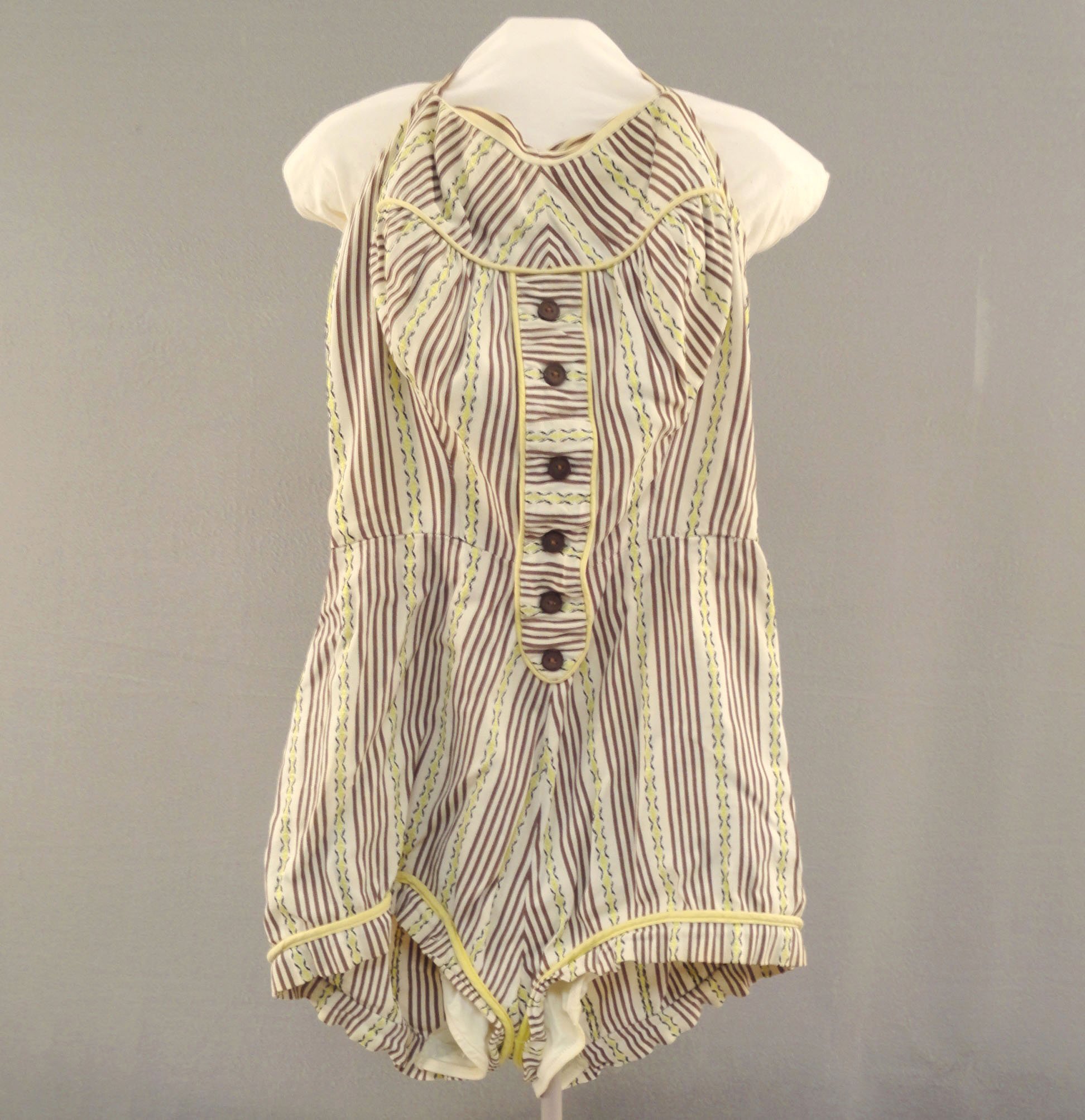
Bathing Suit Rose Marie Reid of California Acetate 1960s-1970s

Bathing Suit • Rose Marie Reid of California • Acetate • 1960s-1970s

By the 1930s and 40s, bathing suits were rapidly changing. Hemlines were shorter and more bare skin was showing. It was not until the late 40s and early 50s that one-piece bathing suits, or maillots, started to be produced in a variety of fabrics, moving away from wool. For comparison, we have a patterned swimsuit, from the 1960s to the 1970s. This brown, yellow, and black stripped acetate bathing suit, donated by Angela Georgi, was created by Rose Marie Reid of California. Made from a light-weight, stretchy fabric, one would imagine that this would have been much more comfortable to wear to the beach.

Rebecca Justinger
Registrar

Introducing our new Picture Store

Ladder No 8 Interior_web

From the collection of The Buffalo History Museum.

The Buffalo History Museum is proud to present our new online store, created so individuals, families, or businesses may purchase images from our vast image collection! The museum library is working closely with Digital Ark Corp. out of Providence, RI to deliver high quality scans directly to the purchaser. The new store, “The Picture Store by the Buffalo History Museum,” can be accessed through our website on the Gift Shop page and the Research Library page.

From the collection of The Buffalo History Museum.

From the collection of The Buffalo History Museum.

Currently, there are 191 images to choose from, and every month we are sending new images to be uploaded. Each picture is tagged for a category which will make searching easy and, we hope, intuitive for the user. Starting at $25, you can order these museum quality productions and all proceeds go to collections care and museum operations.

We have worked hard to dissect our collection and to choose images which we feel would help Buffalonians better understand the history of our city and our current place in it. Ultimately, it is our wish that this store can offer insights into the people who have come before us to work, live and play in Buffalo, NY.

Shane Stephenson
Library Technician

Frederick Law Olmsted’s Buffalo Park System: Drawings and Photos of the First Park and Parkway System in America.

The Civil War is over and the soldiers have returned home. The American Industrial Revolution is in full swing. The pre-war population of the City of Buffalo was 81,129. The population after the war it is approaching 117, 714.

Pratt was Chairman of the Buffalo Board of Park Commissioners from its creation in 1869 to1879. Portrait: Collection of the Buffalo Olmsted Parks Conservancy.

Pratt was Chairman of the Buffalo Board of Park Commissioners from its creation in 1869 to1879. Portrait: Collection of the Buffalo Olmsted Parks Conservancy.

Frederick Law Olmsted recognized the need for green space in urban areas whose lands are being covered with factories emitting soil and air contaminants. At this time Buffalo was one of the largest cities in America. A citizens’ committee, whose members included Pascal P. Pratt, Sherman S. Jewett, and Wm. Dorsheimer, realized the city’s need for open spaces and requested the landscape firm of Olmsted, Vaux & Co., to plan a park. After an initial visit the firm decided the city really needed a whole system of parks and parkways. 

Pratt became the first Chairman of the Buffalo Board of Park Commissioners from its creation in 1869 to1879. “He will go down in history as the founder of Buffalo’s magnificent park system.”

Olmsted’s vision was to create “a City within a Park.”

The first parks designed were “The Park,” “The Front” and “The Parade.” Each park had a different purpose.

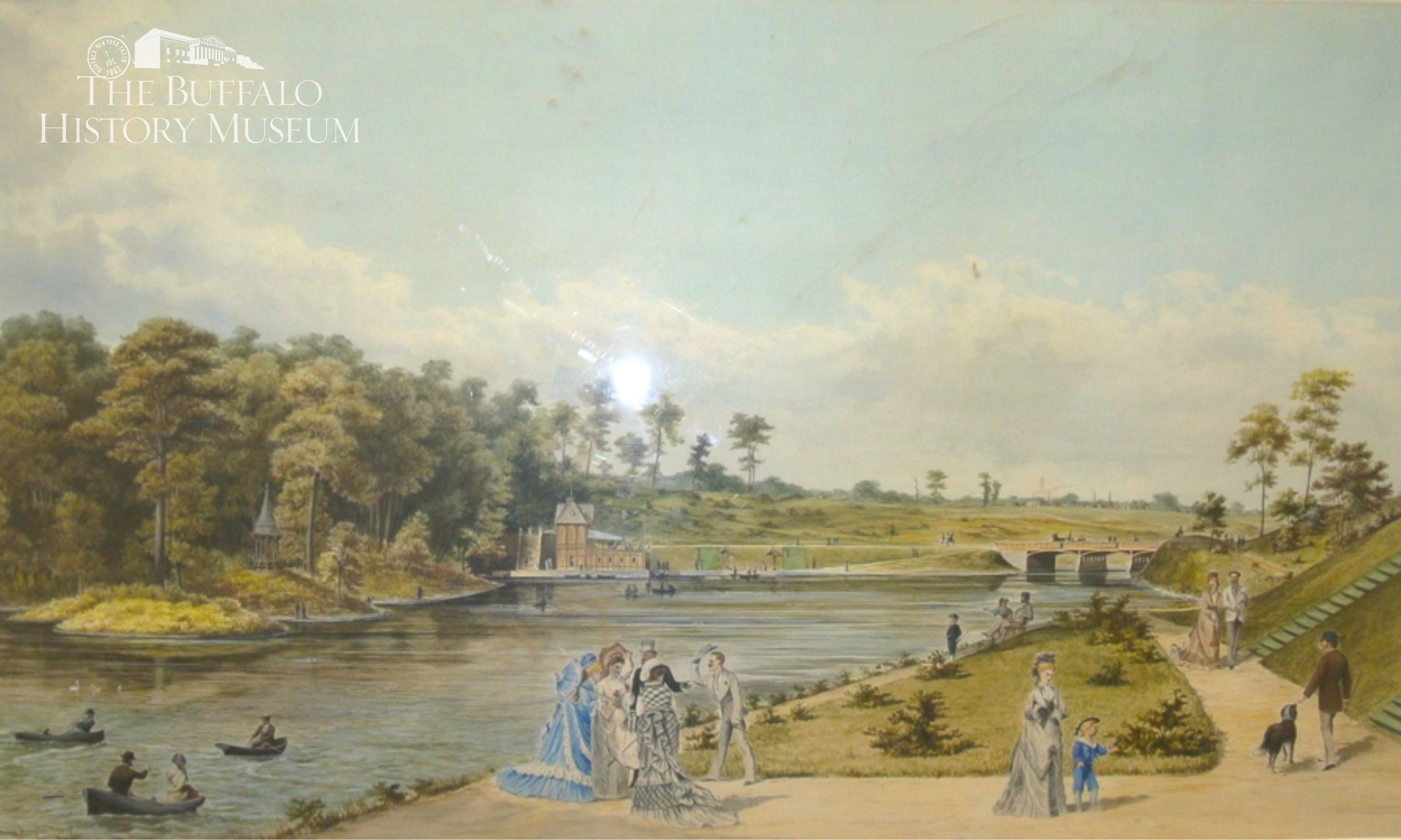
“The Park”  (1875), Richard Veenfliet  (1843 - 1922) Collection of the Buffalo History Museum

“The Park” (1875), Richard Veenfliet (1843 – 1922) Collection of the Buffalo History Museum

The Park was for strolling around the lake and down the paths that lead through woods and meadows always presenting a fresh view to visitors.

Olmsted’s design intent at The Front, however, “was not simply discovered scenery, but was artfully constructed to enhance nature.” 

The Parade (Martin Luther King Jr., Park) a 56-acre park designed by Olmsted in 1871, was intended for military drills.

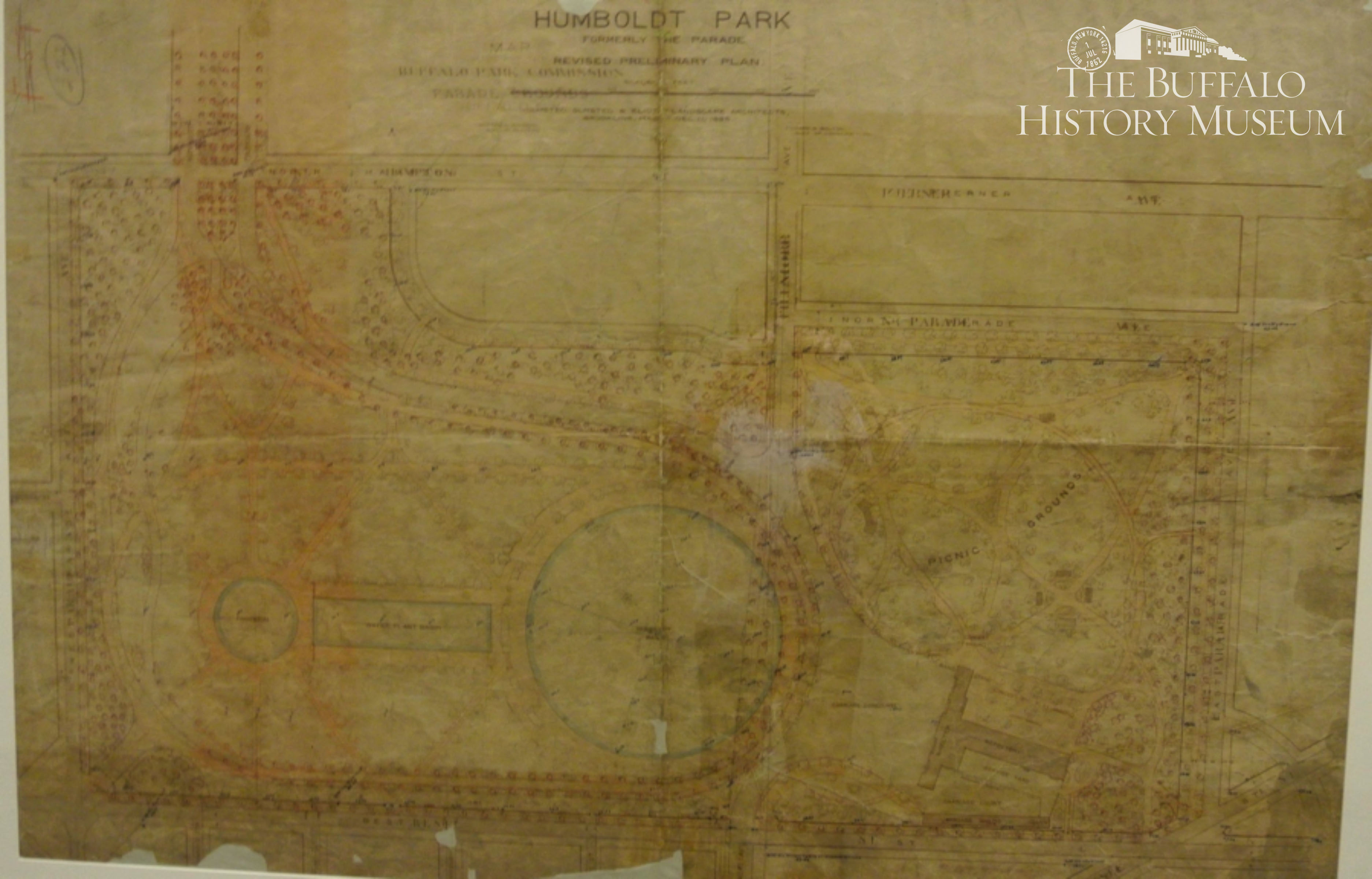
Humboldt Park (formerly the Parade): revised preliminary plan. Olmsted, Olmsted and Eliot, Brookline, Mass., December 11, 1895. Collection of the Buffalo History Museum, gift of the City of Buffalo

Humboldt Park (formerly the Parade): revised preliminary plan. Olmsted, Olmsted and Eliot, Brookline, Mass., December 11, 1895. Collection of the Buffalo History Museum, gift of the City of Buffalo

Humboldt Park (Martin Luther King, Jr., Park)
Formerly the Parade Revised Preliminary Plan, 1896. In 1896 there was no longer a need for military drills. John C. Olmsted redesigned the park. He added a 5-acre wading pool, lily pond and a sheltered dining area where one could rest and be refreshed.

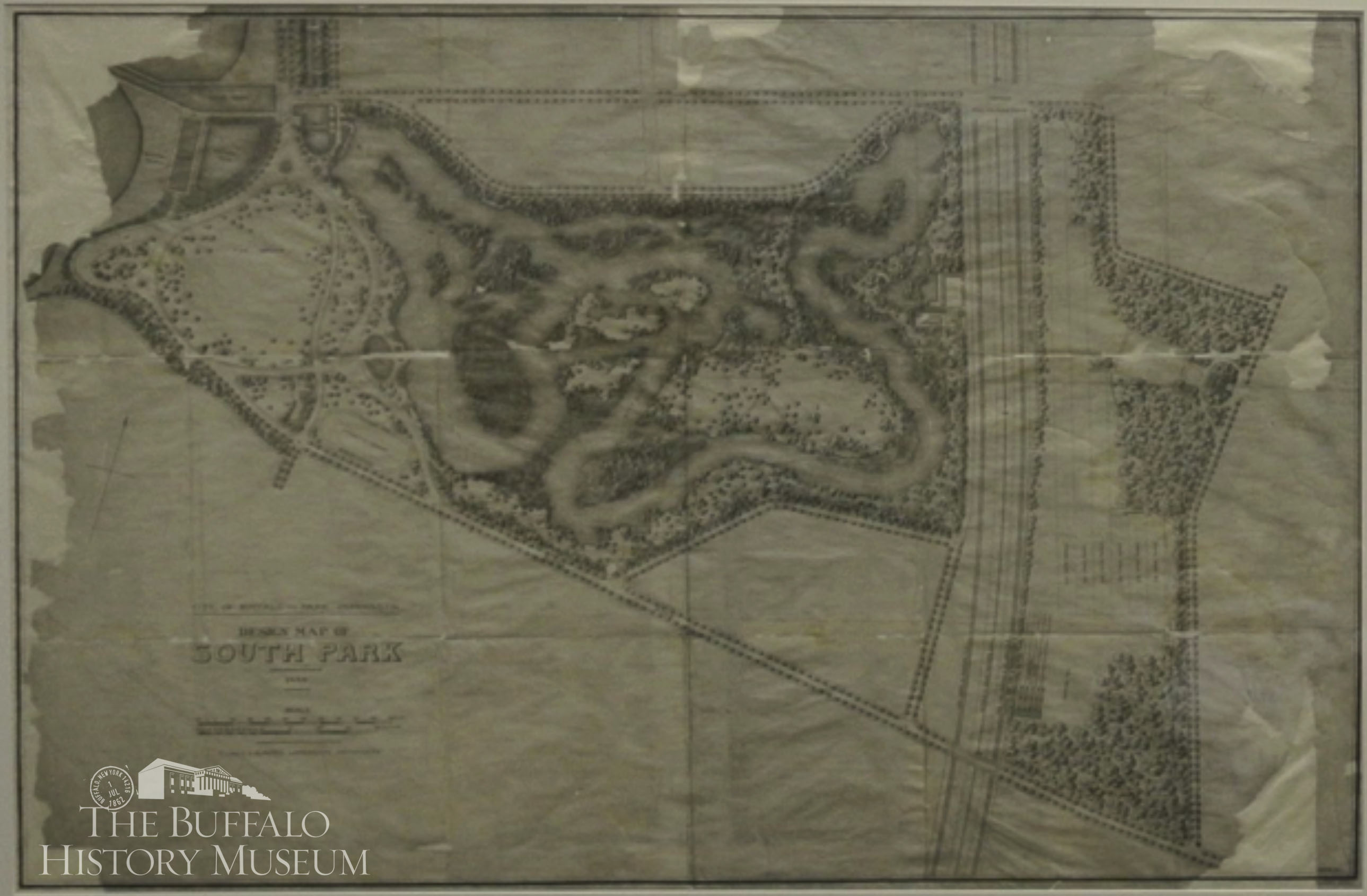
South Park, Preliminary plan for South Park.  F. L. Olmsted & Co., landscape architects, Brookline, Mass., April 27, 1892. Collection of the Buffalo History Museum, gift of the City of Buffalo

South Park, Preliminary plan for South Park. F. L. Olmsted & Co., landscape architects, Brookline, Mass., April 27, 1892. Collection of the Buffalo History Museum, gift of the City of Buffalo

South Park
The 155-acre South Park was designed in 1894 as an arboretum with more than 2,300 types of trees, shrubs and plant life appropriate to the Buffalo climate. A special area within the park or a large conservatory building was also planned.


Martha Neri, Archivist for Buffalo Olmsted Parks Conservancy and Cynthia VanNess, Library Director of The Buffalo History Museum, organized the exhibit.

On display now at the WNED Horizons Gallery is a wonderful collection of rarely exhibited framed drawings by Frederick Law Olmsted and his firm. The exhibit can be viewed in the WNED Horizons Gallery during regular business hours until May 9 2014.